Back-end development
Nobody sees it and everything depends on it. This is where correctness matters more than cleverness.

Typical work
- APIs. Documented endpoints your app, your partners or your own future projects can call.
- Accounts and permissions. Sign-in, password resets, roles, and rules about who may see or change what.
- Integrations. Payment providers, email and SMS, government portals, accounting software, Google Workspace.
- Scheduled jobs. Nightly imports, monthly invoices, reminder emails — plus alerts when one of them fails.
- Deployment. Hosting set up, staging separated from live, backups running, logs you can actually read.
Your rules, not somebody else’s workflow
Your pricing, approvals, roles and exceptions encoded as they actually are — including the awkward cases every real business has. The alternative is changing how you work to suit software, which is a cost that never appears on the invoice.
What you get
You get
Source code, API documentation, environment setup notes, and monitoring on the jobs that matter.
Usual tools
Python (Django, FastAPI, Flask), Node.js, PHP, Docker, Linux hosting.
Good fit when
Two systems need to talk to each other, or a person is currently the integration.
Typical timeline
Two to eight weeks depending on how many systems are involved.
Not sure this is the right one?
Describe the problem instead of the solution. A short call is usually enough to tell whether it is this, something else, or nothing you should spend money on.
Book a free callWork of this kind
Client names withheld on request — the problems and the shape of the solutions are real.
Accounting · Automation
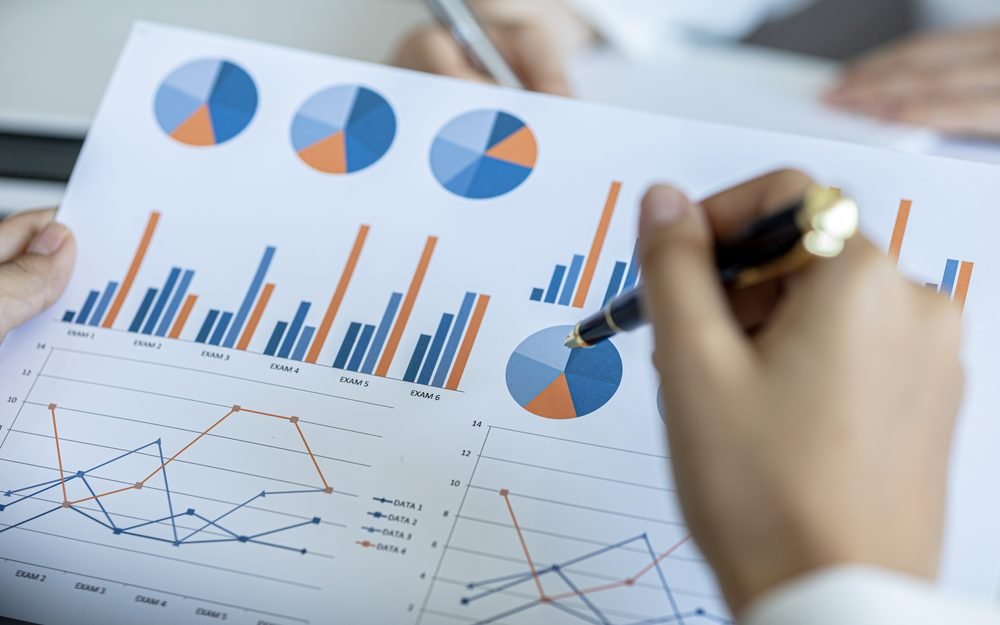
Every new document, on the right desk by morning
A program that checks a government tax portal for hundreds of clients every day, files what is new in a database, notifies the employee who handles that client, and sends the manager one report each morning.

Education · Platform & back end
Python in seconde, taught by teachers who are not programmers
Crescendo Academy: students write and run Python in the browser, the teacher follows a guided path rather than improvising code, and the school can see every change — including one made to an exam question after submissions came in.
Research · Data & analysis
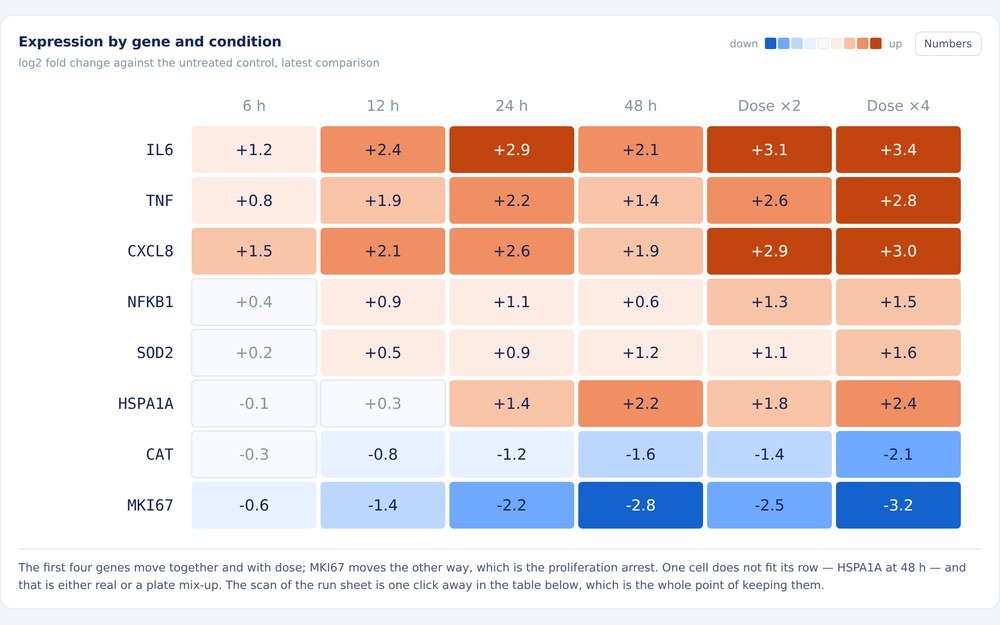
Research data that behaves like a record, not a folder
Our own build, and the one you can click: samples followed from intake to figure, runs tracked by instrument and reagent lot, and the analysis itself on screen — an expression heatmap and a genome-wide association view.
WhatsApp +1 514 889 1557
Monday–Friday, 9:00–18:00 (Montreal time)